BestBidets guide
Bidet Cord Management Guide
A good electric bidet setup should not look like a temporary cord workaround. The cord route matters for safety, cleaning, and whether the bathroom feels finished.
BestBidets may earn a commission from qualifying purchases. Product details can change; confirm current specs, fit, and safety information with the manufacturer or retailer before buying.

The short version
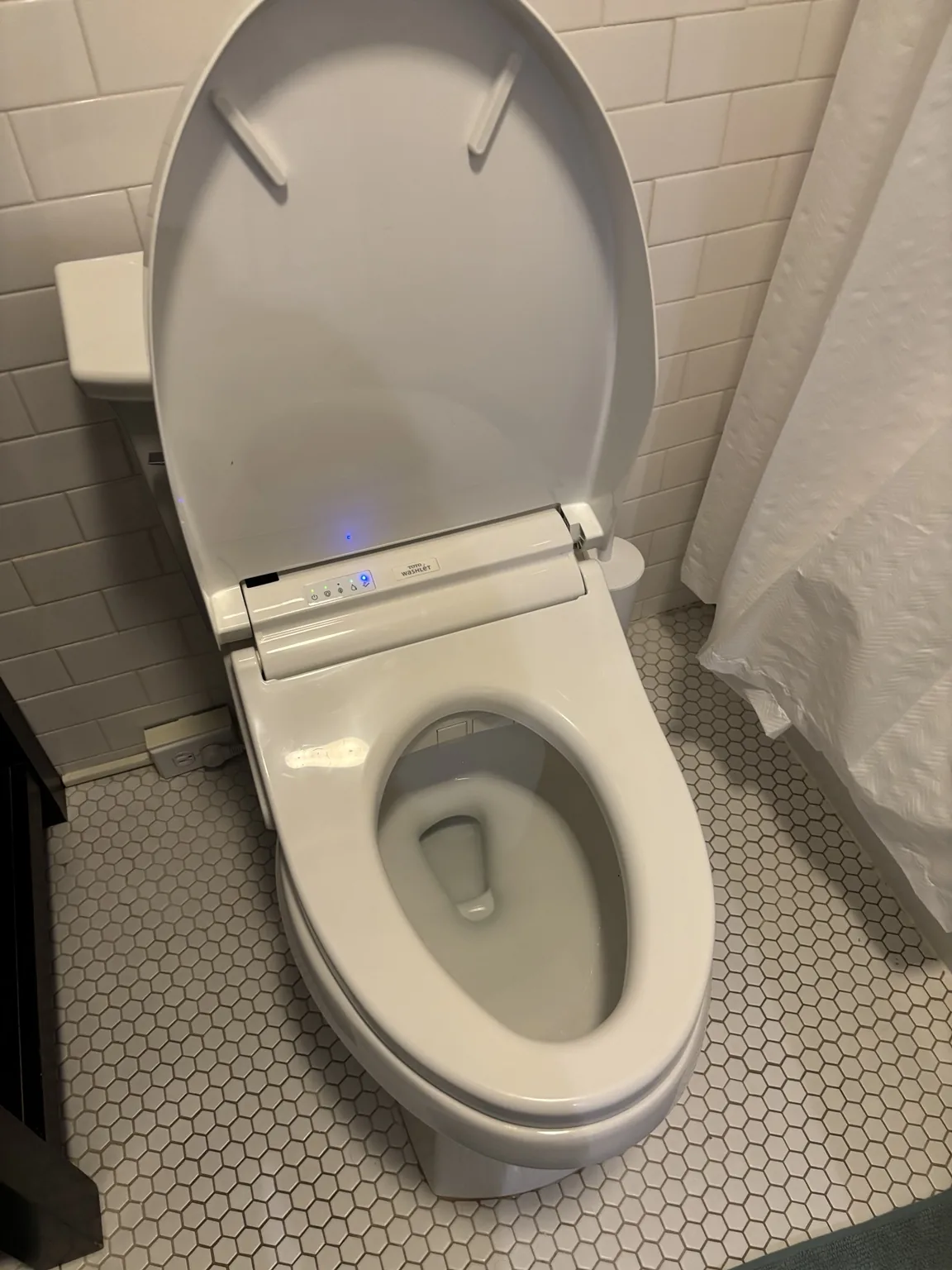
Use the factory cord with a proper nearby outlet. Avoid extension cords, floor-crossing routes, wet areas, stretched cords, pinched cords, and sloppy sink-outlet workarounds.
Best options by situation
| Situation | Best direction | Why |
|---|---|---|
| Outlet near toilet | Best setup | Short, clean route |
| Sink outlet only | Measure carefully | May look unfinished |
| No outlet | Non-electric or electrician | Do not improvise |
| Rental | Avoid electrical changes | Choose attachment or portable if needed |
What to check before buying
- Check the cord exit side before buying.
- Avoid cords that cross walking or cleaning paths.
- Do not run a cord through wet-use areas.
- Use a qualified electrician for outlet work.
Practical buying advice
Cord management is one reason an electric bidet can feel premium or messy. If the cord has to run up the wall or across the floor, a non-electric attachment may be a better choice until the outlet problem is solved properly. For a main bathroom, adding a clean outlet can make the whole installation feel intentional.
BestBidets rule of thumb
Start with the bathroom, not the product name. Fit, outlet access, water connections, and who will use the bidet should decide the category before you compare models.
Watch-outs
- Buying before measuring the toilet and checking tank clearance.
- Assuming an electric bidet makes sense without a clean outlet route.
- Installing on old or questionable plumbing without checking the shutoff valve.
- Ignoring whether guests, kids, seniors, or renters will understand the controls.
- Forgetting that cleaning and maintenance are part of ownership.
What real bathrooms teach you about cord management
Bidet cord management is one of those topics that looks minor until the seat is installed. Owner discussions repeatedly come back to the same issue: the bidet may work perfectly, but a cord stretched across the wall can make an otherwise nice bathroom feel unfinished.
The cleanest setups usually have a GFCI-protected outlet low and near the toilet, with the cord dropping naturally behind or beside the bowl. The awkward setups are the ones where the outlet is across the vanity, above the counter, or on the wrong side of the toilet.
Recurring owner frustrations
- The cord exits on the wrong side: buyers often forget to check which side of the seat the power cord comes from.
- The outlet technically reaches, but looks bad: this is the classic “TV cord down the wall” problem.
- Temporary solutions become permanent: people plan to fix the cord later, then live with an ugly or questionable route for years.
- Cleaning gets harder: loose cords collect dust and make the area around the toilet feel cluttered.
For a primary bathroom, it is usually worth planning the outlet and cord route before choosing the seat. A premium bidet feels much less premium if the install looks improvised.
Safety and appearance should both matter
Electric bidet seats draw real power for heated water, heated seats, and dryers. Manufacturer instructions and local electrical code should control the final setup. In many bathrooms, the right answer is not a clever cord trick; it is having a proper nearby GFCI outlet installed.
The best cord-management test is simple: would you be comfortable leaving it that way when guests visit, when cleaning the bathroom, and when the floor is damp? If not, solve the outlet problem before launch-day excitement turns into long-term annoyance.
Final verdict
Use the factory cord with a proper nearby outlet. Avoid extension cords, floor-crossing routes, wet areas, stretched cords, pinched cords, and sloppy sink-outlet workarounds. The right choice is the one that works cleanly in the room without creating outlet, leak, fit, or usability problems.